Damp is one of the most common issues flagged in a house survey, but the word covers three quite different problems: rising damp, penetrating damp and condensation. Each has a different cause, a different fix and a very different cost, so the most important thing is to find the source rather than react to the word "damp". In most homes the cause is something fairly simple, such as a blocked gutter, bridged damp proof course or poor ventilation.
Key points
- Condensation and penetrating damp are far more common than true rising damp.
- A surveyor's moisture meter reading is an indicator, not a diagnosis.
- Fix the cause first. Chemical damp proof injection is often recommended when it is not needed.
- Use an independent damp specialist, not a company selling treatment, if your surveyor recommends further investigation.
- Damp near timber floors or roof timbers matters more because it can lead to rot.
Why do surveyors flag damp so often?
Surveyors carrying out a RICS Level 2 Home Survey or Level 3 Building Survey take moisture readings at intervals along walls, especially ground floor walls, around chimney breasts, under windows and near bathrooms. They are looking for readings that are higher than expected and for visible signs such as staining, tide marks, salts, flaking plaster, mould or a musty smell.
Damp is flagged often for two reasons. First, older houses in the UK were built without modern damp proof courses and cavity walls, so some moisture in solid walls is normal. Second, the surveyor cannot lift floorboards, remove plaster or carry out invasive tests, so they report what they find and recommend further investigation where the cause is unclear. That recommendation is a prompt to investigate, not a verdict that the house is ruined.
What is rising damp?
Rising damp is groundwater drawn up through the masonry by capillary action. It usually shows as a horizontal tide mark up to around a metre above floor level, with salts and damaged plaster below it. It is typically caused by:
- A missing or failed damp proof course in an older house.
- A damp proof course that has been bridged, for example by raised flower beds, paths or patios built up against the wall, or by rendering taken down to ground level.
- Internal plaster or floor screed bridging the damp proof course.
Genuine rising damp exists, but it is less common than many sellers and buyers assume. Many cases diagnosed as rising damp turn out to be bridging, leaking pipes, high external ground levels or condensation. Lowering the ground level outside, cutting back render and removing bridging can solve the problem without any chemical injection.
What is penetrating damp?
Penetrating damp is water getting in from outside through the walls, roof or around openings. It tends to appear as patches that get worse after rain, often higher up the wall or near ceilings. Common causes include:
- Leaking or blocked gutters and downpipes.
- Cracked render or failed pointing.
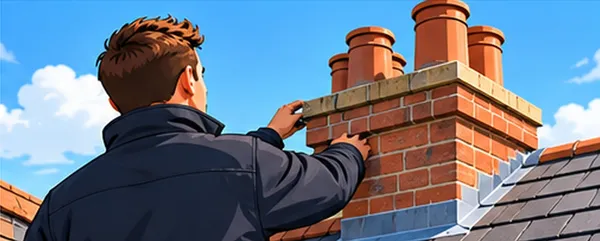
- Defective flashings around chimneys and roof abutments.
- Missing or failed seals around windows and doors.
- Cavity wall insulation in exposed locations, which can allow water to track across the cavity (see our guide to spray foam and cavity wall insulation).
Most penetrating damp is a maintenance issue. Clearing gutters, repointing or replacing flashings is usually much cheaper than any damp treatment, although the internal plaster may need to dry out and be made good afterwards. If the leak is from the roof, our guide to common roof problems explains what typically goes wrong.
What is condensation?
Condensation happens when warm, moist air inside the home meets a cold surface. It is the most common form of damp in UK homes and typically shows as black mould in corners, behind furniture, around window reveals and in bathrooms and bedrooms.
It is driven by everyday living: cooking, showering, drying clothes indoors and breathing. The fixes are usually improved ventilation, working extractor fans, trickle vents, consistent heating and better insulation of cold spots. Because condensation depends on how the current occupants use the house, it may be less severe when you move in, or worse if the house is currently empty and unheated.
How serious is damp in a survey?
How serious damp is depends on the cause and what it is affecting. Surveyors use condition ratings to show urgency:
- Condition rating 1 - no repair currently needed.
- Condition rating 2 - repairs or replacement needed but not considered serious or urgent.
- Condition rating 3 - defects that are serious and/or need to be repaired, replaced or investigated urgently.
Damp tends to be more serious when it affects timber. Wet floor joists, skirting boards, wall plates or roof timbers can develop wet rot or, in some cases, dry rot, which spreads and can be expensive to treat. If the surveyor mentions timber decay alongside damp, that is the part to prioritise. Our guide on how to read your survey report explains condition ratings in more detail.
Should you trust the moisture meter readings?
Handheld electrical moisture meters measure conductivity and are calibrated for timber. On masonry and plaster they can give high readings because of hygroscopic salts, carbon deposits, foil-backed wallpaper or surface condensation, even when the wall is not wet in depth. Experienced surveyors know this and interpret readings in context. They look at the pattern of readings, the construction of the wall, ground levels outside and any obvious defects.
If you want certainty, a damp specialist can take samples and use other methods, such as carbide testing or oven drying, to measure actual moisture content in the masonry.
What should you do if damp is found?
- Read the surveyor's explanation of the likely cause. If you are unsure, call them. Most surveyors are happy to talk through their findings. Our list of questions to ask your surveyor can help.
- Get an independent damp investigation if recommended. Look for someone who does not sell treatments, such as a surveyor with a CSRT (Certificated Surveyor in Remedial Treatment) or CSSW (Certificated Surveyor in Structural Waterproofing) qualification, or one who charges a fee for the report rather than giving a free quote.
- Be wary of free damp surveys from treatment companies. They may recommend injected damp proof courses and replastering where simpler fixes would work.
- Get costs for the actual fix. Clearing gutters, lowering ground levels or fitting extractor fans may cost a few hundred pounds. Extensive replastering, timber replacement or tanking a basement can run into thousands.
- Use the findings in negotiation. If the fix is significant and not reflected in the price, you can ask for a reduction or for the seller to carry out the work. See our guide to renegotiating after a survey.
Does the type of survey matter for damp?
Yes. A Level 2 survey will identify visible signs of damp and flag areas for further investigation. A Level 3 survey goes further, with more detail on the likely causes, the construction of the walls and how to deal with the problem. For older solid-walled houses, period properties or anything that has been extensively altered, a Level 3 is usually the better choice. If you are unsure, see Level 2 vs Level 3.
Damp is rarely a reason to walk away on its own, but it is a good reason to understand the cause before you commit. If you want a local RICS or RPSA surveyor to look at a property before you exchange, you can get a fixed-price survey booked and we will arrange access with the estate agent for you.
Get your survey booked, not quoted
Fixed price up front. We find a local RICS or RPSA surveyor, arrange access with the agent and confirm the date.
See your priceFrequently asked questions
Is damp in a survey a reason to pull out?
Usually not. Most damp has a clear cause such as a leaking gutter, high ground levels or poor ventilation, and is fixed by dealing with that cause. Get the source identified and costed before deciding, and use the figures to renegotiate if needed.
Can a surveyor diagnose rising damp with a moisture meter?
Not on its own. Electrical moisture meters are calibrated for timber and can give high readings on walls because of salts, foil-backed paper or condensation. A good surveyor uses the meter as an indicator and looks at the pattern, the building and the likely causes.
Should I use a damp proofing company for a second opinion?
Ideally use an independent damp surveyor who is not selling a treatment, for example someone with a CSRT or CSSW qualification. Companies that quote for injected damp proof courses have a clear interest in finding rising damp.
Is condensation the buyer's or seller's problem?
Condensation is linked to how a home is heated and ventilated, so it may disappear with a new occupant. But persistent black mould, missing extractor fans or cold spots on walls are worth fixing, and you can factor the cost into your offer.
Will damp affect my mortgage?
Minor damp rarely affects lending. Significant damp with structural timber decay, or a lender valuer's recommendation for a specialist report, can lead to a retention or a request for further investigation before the mortgage offer is released.
Related guides
Asbestos in older homes: what a survey report means
Asbestos mentioned in your survey? Where it is found in UK homes built before 2000, what the surveyor's comments mean and when to get it tested.
Defects and problemsBuying in a former coal mining area: surveys and searches
Buying a home on the old coalfield? What a CON29M coal mining search shows, what a survey adds and what to do if a mine shaft is nearby.
Defects and problemsCommon roof problems surveyors find
The roof problems surveyors find most often, from slipped slates and nail sickness to flat roof failure and sagging, and what each means for you.